
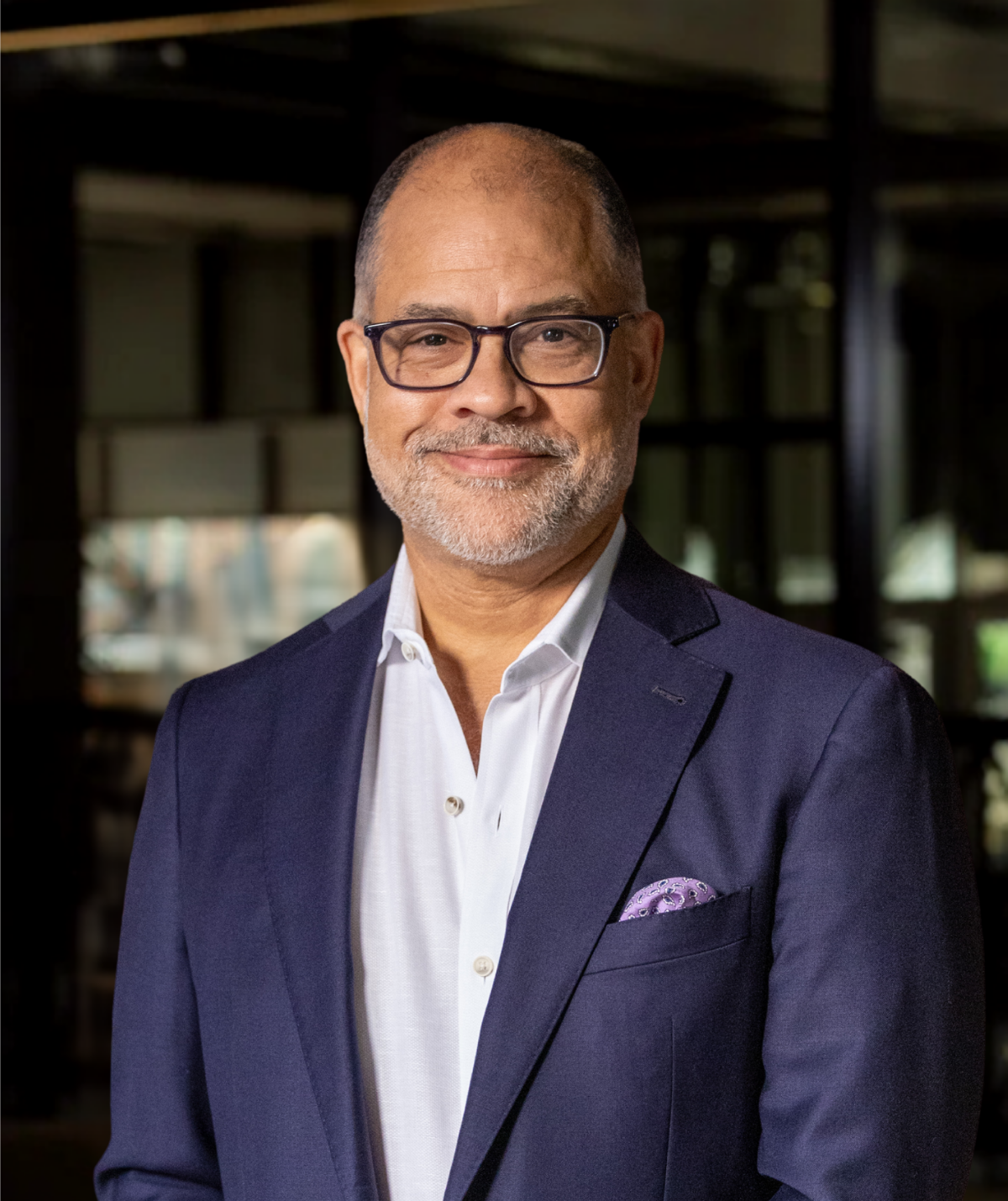
By Marland Buckner, President & CEO, Shockoe Institute
This past April, the Shockoe Institute opened Expanding Freedom, a nationally award-winning permanent exhibit at Richmond's Main Street station that has already welcomed thousands of visitors from across the globe. We are proud that achieving this critical milestone allows us to further our mission, which is to use the lessons of our history to improve our civic life.
Even before the opening of Expanding Freedom, we have been delivering programs and convening conversations that explore challenges to our civic life, including, most recently, Pathways to Repairing our Public Square, the final program in our series Unfinished Business. Over the past several months, Unfinished Business has explored different dimensions to the challenges facing American civic life with a particular emphasis on how they affect young people.
Studies show that young Americans are entering adulthood with declining confidence in civic institutions and diminishing expectations for their economic futures.
At the Shockoe Institute, our goal is to meet these challenges head-on.
That is why we are excited to announce the launch of our Civic Capital Initiative. The goal of this initiative is to help young people develop the civic knowledge, financial skills, and practical experience needed to activate their citizenship, strengthen their communities, and shape their futures.
Why This Matters
Young voters made their voices heard in the recent midterm elections. An estimated 27% of Americans ages 18 to 29 voted, the second-highest midterm youth turnout in 30 years, and their votes were decisive in changing the balance of power in Congress. Still, too many young people are entering adulthood with declining confidence in civic institutions and growing concerns about their future economic opportunities. National surveys show that younger Americans are less likely to trust many of the institutions that shape public life. And while young voters ranked the economy and jobs among the top concerns in this month’s election, assessments of young American’s economic and financial literacy consistently find that many students leave school without a strong understanding of the relationship between the economic and political systems in which they live.
Register to join us for a deep dive into this initiative.
A Different Approach
In developing our Civic Capital Initiative, we listened to hundreds of students, parents, and educators over a two-year period. We learned that in-school curricula is often situated with civic education and financial literacy in parallel, and students tell us that they are often disconnected and do not allow students to “get their hands dirty” and learn how to solve problems they see in their communities. They are not connected in ways that allow students to achieve financial fluency or, even more importantly, make the connection between personal financial acumen and their civic life. Too often these disciplines separate “how a bill becomes a law,” from the practicalities of how things work in real life - beyond the basics of balancing a checkbook.
Young people have taught us that when given the opportunity to connect history to the real-world civic and economic choices facing their communities, they become more engaged, more confident, and more invested in shaping the future. Young people told us, and we listened.
Learn. Reflect. Act.
Our approach is simple:
Learn: Discover the history and context that shapes your community and understand why current conditions exist.
Reflect: Examine the civic and economic forces that influence daily life and shape opportunities for the future.
Act: Participate in hands-on experiences that build skills, confidence, and the ability to make real decisions that impact your community.
From Pilot to Initiative
The Civic Capital Initiative uses data and information from the historical record as a starting point, helping students learn how their communities developed, understand the civic and economic systems that influence daily life, and gain practical experience making decisions that affect the places where they live.
Strengthening the Public Square
Having tested this model with students, teachers and parents, we have begun collaborating with mission aligned organizations, civic leaders, and local governments, to create opportunities for young people to participate in community level decision-making processes.
Mark Your Calendars
To learn more, we hope you will join us on December 2 from Noon to 1 p.m. for a webinar that will dig deeper into the initiative. Please register to join us at this link: https://www.shockoeinstitute.org/events/webinar-civic-capital-initiative.
